True Crime · Legal History
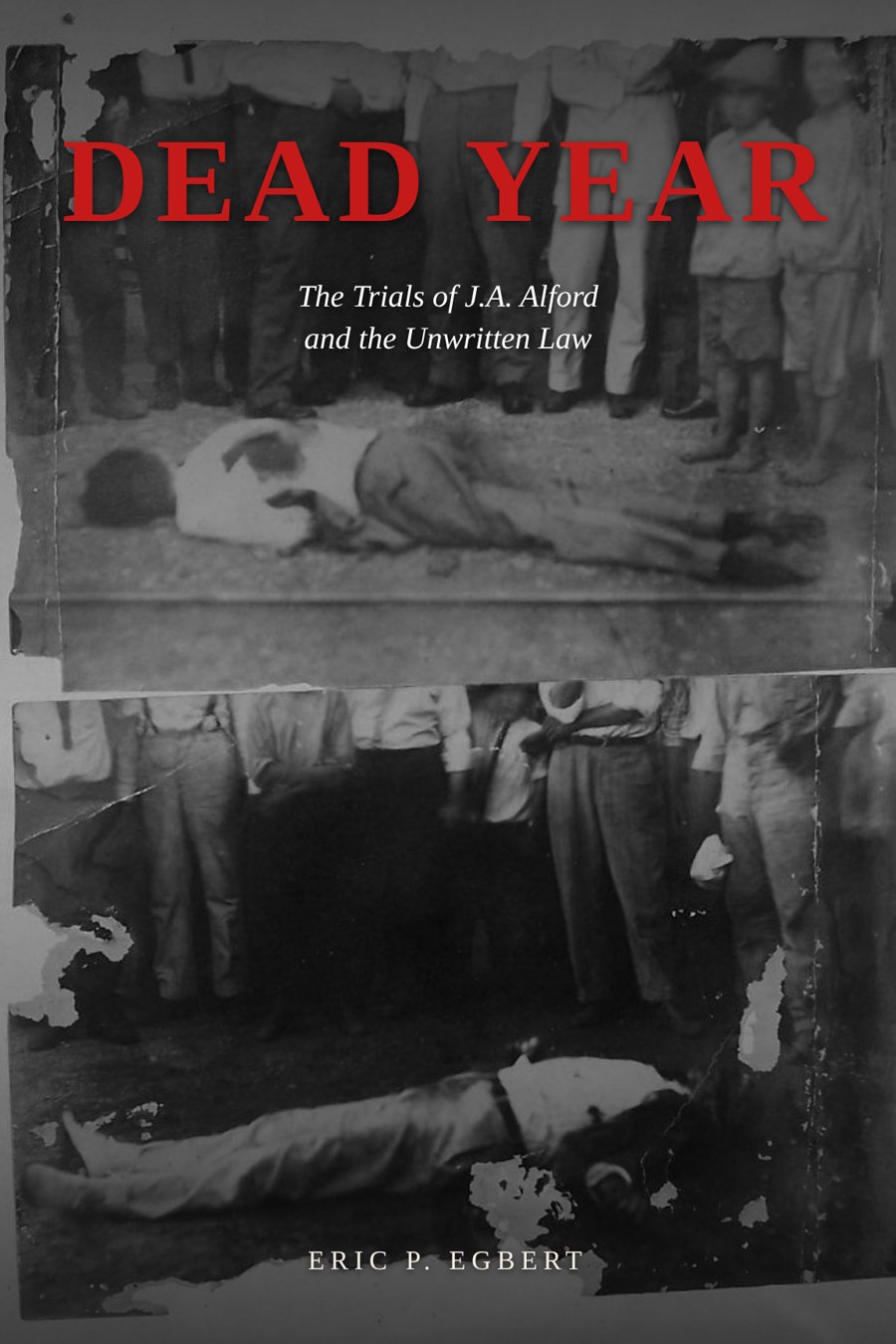
DEAD YEAR
The Trials of J.A. Alford and the Unwritten Law
Eric P. Egbert
On sale December 1, 2026
- Paperback $17.99
- Hardcover $24.99
- Kindle $7.99
True Crime · Legal History
The Trials of J.A. Alford and the Unwritten Law
Eric P. Egbert
A verdict of not guilty is a finding about the man in the dock. It is not a finding about the men in the ground.”
The Book
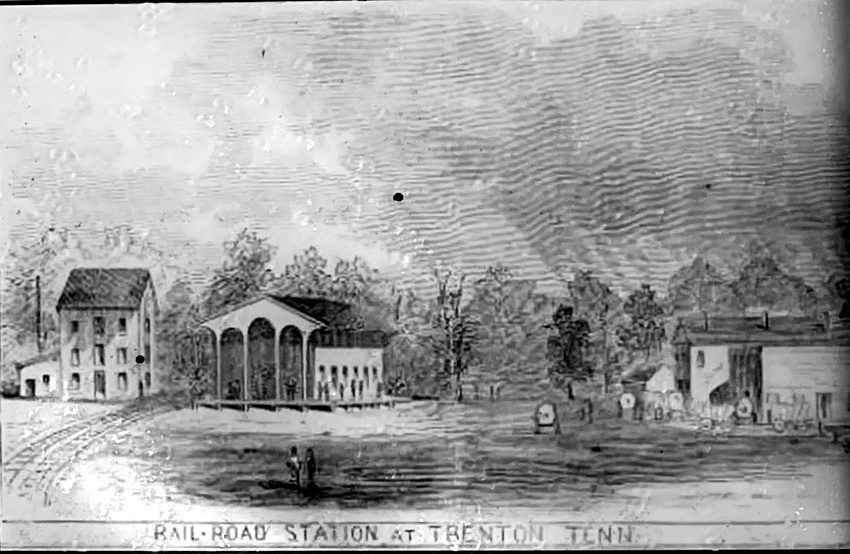
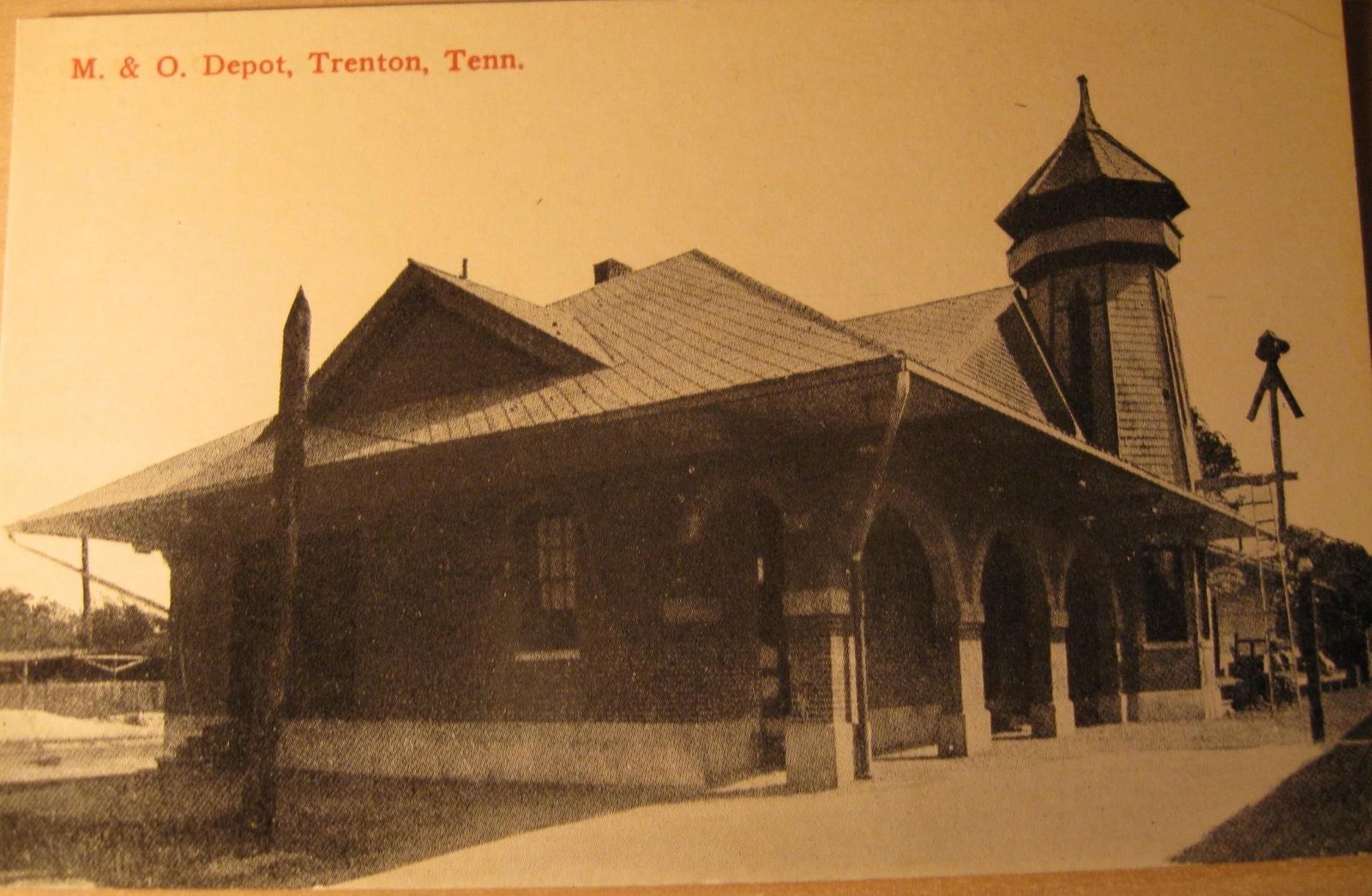
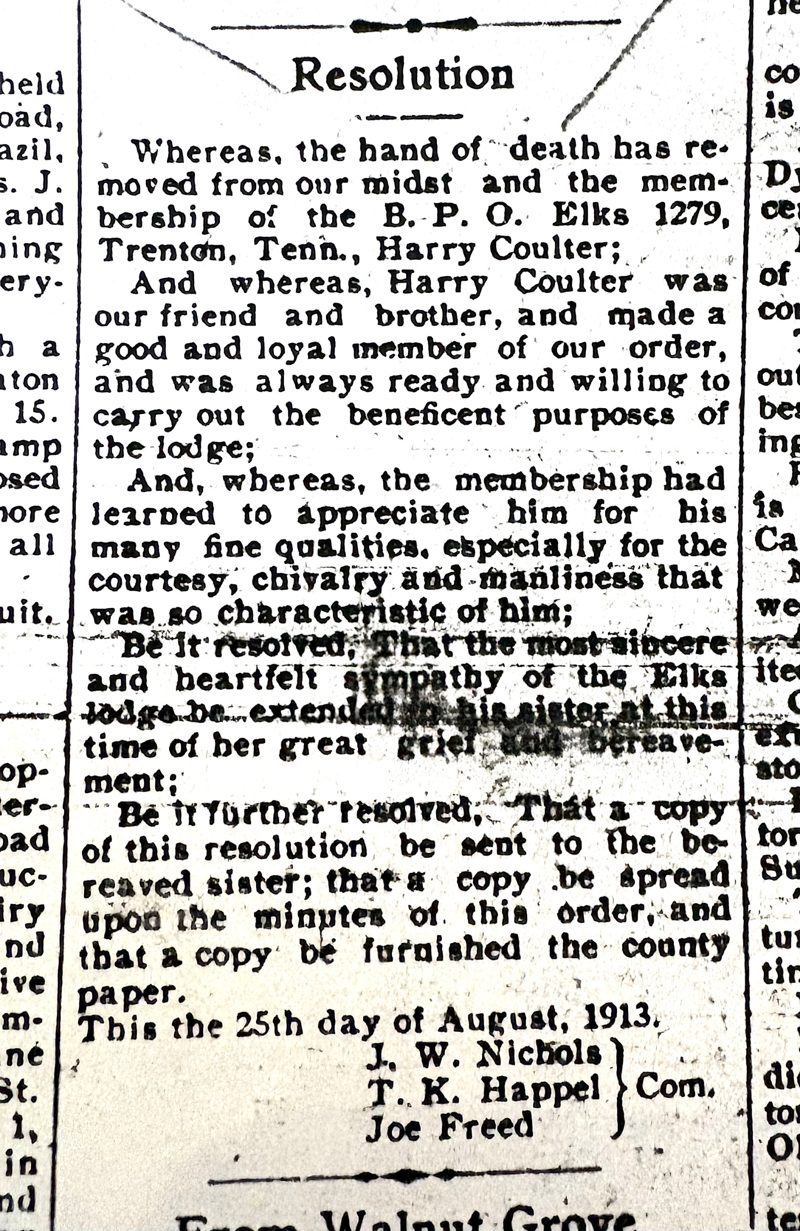
On the evening of August 11, 1913, a merchant from Rutherford, Tennessee, stepped onto the railroad platform at Trenton and shot dead two of Gibson County’s most prominent lawyers, William Coulter and his son Harry, who never made it to their home in Dyer.
A depot of witnesses saw Jim Alford hand his hot pistols over to the constable. His wife, Fannie, was in the state asylum at Bolivar. The Coulters had been her lawyers. Alford’s defense was not that he hadn’t killed them. It was the “unwritten law”: that they had wrecked his home and had it coming. What followed were two of the most sensational murder trials in Tennessee history, and two acquittals.
Dead Year is the true story of a double homicide that was never a mystery, in 1913, the one year when Tennessee failed to record its deceased.
Officially, nobody died.
Drawn from the Gibson County Circuit Court minute books, the newspapers that covered both trials, and the public record. More than ninety photographs and documents.
Trailer
The Record
About half past six in the evening, W.S. and Harry Coulter are shot on the depot platform at Trenton. Jim Alford surrenders to a constable.
The grand jury returns two indictments for first-degree murder, one for each Coulter.
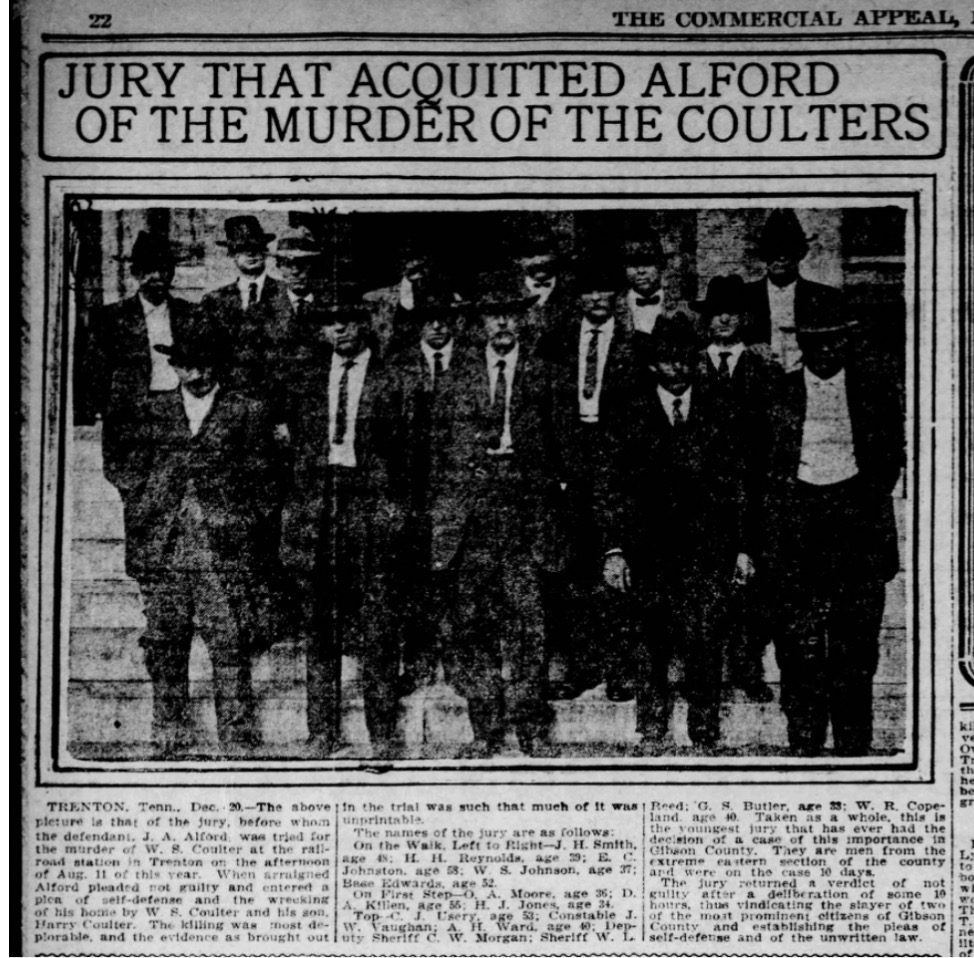
The first trial, for the murder of W.S. Coulter. After some eighteen hours, the jury returns its verdict: not guilty.
The second case is called. The attorney general’s appointed substitute turns up as counsel for the defense, and the court names a new prosecutor.
The judge holds court on Christmas Day.
The second jury, in the murder of Harry Coulter, finds Alford not guilty.
For carrying the pistols, Alford is fined fifty dollars.
From the Archive

Podcast
More episodes are on the way.

The Author
Eric P. Egbert practices law in Trenton, Tennessee, in the building where Jim Alford’s defense attorneys once kept their office. He serves as city attorney for Dyer, where the Coulters called home.
For Readers
If Dead Year held your attention, please leave an honest review on Amazon or Goodreads. A sentence or two is plenty, and it is how a book from a small county seat finds readers beyond it.
Press, Reviewers & Book Clubs
Advance reader copies are available to reviewers, librarians, booksellers and the press. For a copy, an interview or a talk to your group, write to Eric@Egbert.Law.